Roof Inspections & Condition Reporting
Understand visible roof conditions, investigate suspected moisture and obtain useful information before making major repair or replacement decisions.
Explore roof inspections →Managing commercial roofs requires more than responding to leaks. RCRS helps property and facility managers maintain roofing systems, investigate problems, coordinate repairs and plan future roofing investments across individual buildings and multiple-property portfolios.

Serving commercial properties across Alabama, Georgia, Florida and expanding markets.
Roof Inspections & Reporting
Preventative Maintenance
Emergency Roof Response
Capital & Portfolio Planning
A commercial roof represents a significant building investment. For property managers responsible for multiple buildings, those investments can involve different roof systems, installation dates, warranties, maintenance requirements and remaining service lives.
Some properties may need routine inspections and minor repairs. Others may have recurring leaks, concealed moisture, aging materials or roofing systems approaching the point where replacement becomes the more practical financial decision.
RCRS helps owners, property managers and facility teams understand those differences through commercial roof inspections, preventative maintenance, targeted repairs, condition documentation and longer-term roofing recommendations.
The objective is to help make roofing expenditure more predictable while protecting the buildings and the people who depend on them.
Good commercial roof management is not simply about fixing today’s leak. It is about understanding what each roof needs next.
Whether you manage a single commercial building or multiple properties, RCRS offers roofing services that support day-to-day operations, emergency response and long-term asset planning.
Understand visible roof conditions, investigate suspected moisture and obtain useful information before making major repair or replacement decisions.
Explore roof inspections →Scheduled inspections, cleaning and targeted repairs help identify developing problems, maintain roof performance and reduce avoidable emergency work.
Explore maintenance services →Active leaks, storm damage and unexpected failures require a coordinated response to stabilize affected areas and plan appropriate permanent repairs.
Explore emergency services →Assess remaining roof life, compare repair and replacement options, and develop roofing recommendations that support future capital expenditure decisions.
Explore replacement planning →Manage roofing requirements across multiple buildings or locations with consistent inspections, maintenance planning, documented work and communication.
See multi-location project experience →Coordinate roofing activities around tenants, employees, customers, access requirements, building operations and changing jobsite conditions.
Explore safety planning →For property managers, the challenge is often not a lack of roofing contractors. It is a lack of consistent information about the condition, maintenance history and future requirements of the roofs under their responsibility.
Two buildings of similar size can have very different roofing needs.
One may have a relatively new roof with a manufacturer warranty and a few minor maintenance requirements. Another may have an aging roofing system with recurring leaks, wet insulation, previous repairs and a limited remaining service life.
Treating both roofs the same can lead to unnecessary expenditure in one location and deferred problems in another.
Depending on the property and available documentation, useful information may include:
Not every property will have complete historical records. Establishing an initial inspection and condition baseline can provide a useful starting point for future maintenance and planning decisions.
The first step toward a manageable roofing budget is understanding the condition of the roofs you already own or maintain.
When several roofing systems require attention, the order in which work is performed can be as important as the individual repair recommendations.
A property with active water intrusion affecting business operations may require immediate attention. Another roof may need relatively inexpensive preventative repairs. A third may be approaching replacement but remain suitable for planned expenditure over a longer period.
Roofing priorities can therefore be evaluated using factors such as:
RCRS can help evaluate roofing conditions and develop practical repair, maintenance and replacement recommendations based on the information available for each property.
Not every roof requires immediate replacement. Not every roof should continue receiving repeated repairs.
The objective is to distinguish between conditions that require urgent attention, those that can be managed through preventative maintenance and those that should move into longer-term capital planning.

RCRS provides ongoing roofing maintenance and repair services for Pike County School Systems under an annual commercial roof service agreement.
At Goshen Elementary School, preventative maintenance on a TPO roofing system resulted in 37 identified deficiencies being corrected during a single visit.
At Banks Primary School, the team responded to active leaks in an older coal tar pitch and gravel roofing system, using system-specific repair methods and targeted flashing waterproofing.
These projects illustrate an important challenge for institutional property managers: different buildings within the same portfolio may require different inspection methods, maintenance priorities and roofing materials.
Effective portfolio maintenance means applying a consistent management approach—not the same repair technique—to every roof.
A commercial roof should not receive attention only when water begins entering the building.
Regular roof inspections and preventative maintenance can help identify developing problems, address minor deficiencies and establish a record of roof condition before those problems become more disruptive or expensive.
For property managers responsible for occupied buildings or multiple locations, scheduled maintenance also helps make roofing expenditure more predictable.
RCRS provides Roof Top Maintenance (RTM) services tailored to the building, roofing system and maintenance requirements of the property.
The scope depends on the roofing system, roof condition and service agreement, but preventative maintenance may include:
Maintenance requirements can also depend on the manufacturer’s instructions and the conditions of an applicable roof warranty.
A preventative maintenance visit should produce more than a clean roof. It should leave the property manager with a clearer understanding of the roof’s condition and what requires attention next.
Small roofing deficiencies do not always cause immediate interior leakage.
A deteriorated flashing, open seam, loose fastener or partially obstructed drain may exist for some time before developing into a more serious problem.
When those conditions are identified during scheduled maintenance, the property manager may have an opportunity to address them as planned work rather than waiting until they cause an emergency.
That distinction can be particularly important for properties where water intrusion could affect tenants, residents, customers, inventory, equipment or daily operations.
Preventative maintenance does not eliminate the possibility of roof failure, but it can help reduce avoidable problems and provide more consistent information for future roofing decisions.
Planned maintenance gives property managers more control over when roofing work happens, rather than allowing every problem to dictate its own schedule.
See Preventative Maintenance in Practice — Pike County Schools →
Even a well-maintained commercial roof can experience unexpected damage.
Severe weather, wind-driven rain, displaced roofing materials, sudden leaks and concealed deterioration can create urgent problems that require immediate attention.
For a property manager, the challenge is often broader than arranging a repair. The response may involve protecting occupants, limiting interior damage, communicating with ownership, coordinating access and determining what work can be performed safely.
RCRS takes emergency commercial roofing calls 24/7 and can assist with roof assessment, temporary stabilization, leak investigation and permanent repair planning, subject to weather conditions, safe access and service availability.
Emergency roof response may involve several stages:
The objective is to distinguish between the immediate work needed to protect the property and the longer-term roofing solution.
Emergency stabilization addresses the immediate problem. A planned follow-up helps determine whether the building needs a repair, a larger investigation or a capital project.
Explore emergency commercial roof repair and storm response →
For managers responsible for multiple locations, roof-related reports may arrive from different facilities at the same time, each with its own operational concerns and urgency.
An organized response benefits from identifying which properties have active water intrusion, which have visible storm damage and which require inspection before a repair scope can be established.
Useful information can include the affected property, roof area, reported conditions, interior impact, temporary measures completed and outstanding work.
This helps the property management team maintain a clearer picture of immediate priorities while developing a plan for follow-up investigation and permanent repairs.
Property managers make better roofing decisions when they have reliable information about the condition of the buildings under their responsibility.
A roof inspection may be required because of a reported leak, suspected storm damage, a planned property acquisition, an approaching warranty milestone or the need to prepare a maintenance or replacement budget.
Different situations require different levels of investigation.
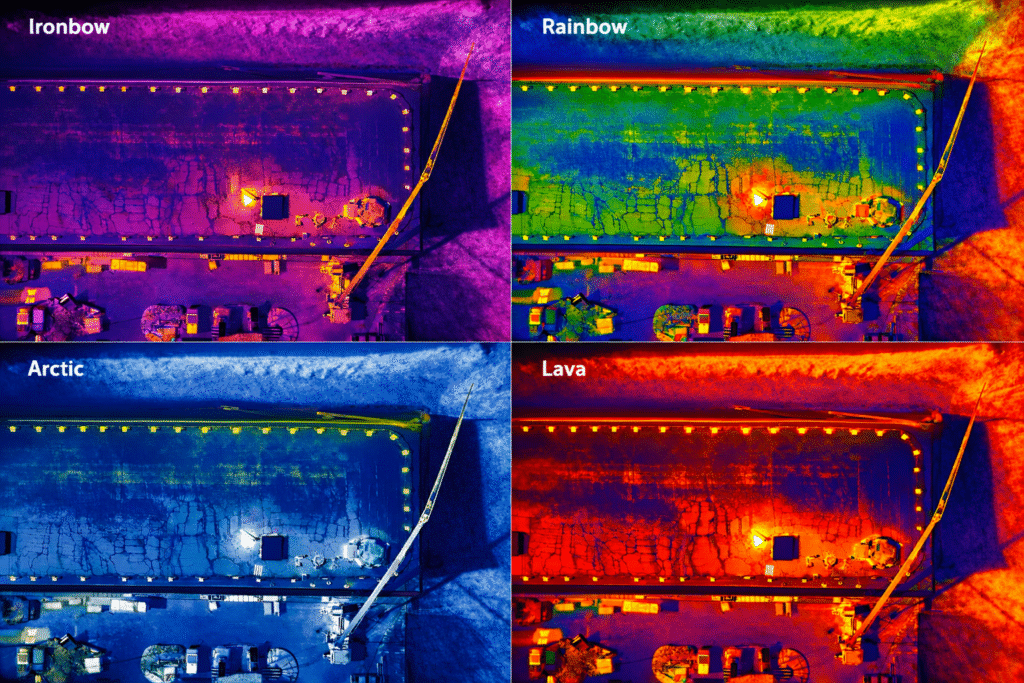
RCRS can evaluate commercial roof conditions using visual inspection, aerial documentation, infrared thermography, electronic moisture detection and physical investigation where appropriate.
These methods provide different forms of information and can be combined when the inspection objective warrants a more detailed investigation.
Depending on the agreed inspection scope, roof condition information may include:
The level of reporting should reflect the purpose of the inspection rather than assuming that every roof requires the same diagnostic process.
Roof information becomes valuable when it helps the property manager decide what should be repaired, monitored, investigated or budgeted for replacement.
Explore commercial drone, infrared and moisture investigation services →
An inspection report is most useful when its findings can be connected to a practical course of action.
For one property, the appropriate recommendation may be a small number of targeted repairs followed by routine maintenance.
Another roof may require additional moisture investigation before the extent of deterioration can be established.
A third may have reached a point where repeated repairs are becoming less practical and replacement should be considered within the property’s capital plan.
These decisions depend on the roofing system, observed condition, previous maintenance, warranty requirements, operational concerns and available budget.
For property managers, the objective is to distinguish among:
The value of a roof inspection is not measured by how many photographs it contains. It is measured by how clearly the findings support the next decision.

Managing roofing requirements across several properties introduces challenges that do not necessarily exist when maintaining a single building.
Different facilities may have different roof systems, ages, warranties, inspection histories, maintenance requirements and operational priorities.
One building may need routine preventative work. Another may have recurring leaks requiring investigation. A third may need to be included in the next capital expenditure budget.
For property managers responsible for multiple locations, consistent information and coordinated service can make those differences easier to manage.
Depending on the portfolio and agreed scope of services, a coordinated commercial roofing approach may consider:
The objective is not to treat every roof as identical. It is to apply a consistent management approach while recognizing the different requirements of each building.
Consistency across a roofing portfolio does not mean every property receives the same work. It means each property is evaluated against its actual condition and requirements.
Property owners with facilities in different cities or states may benefit from coordinated roofing maintenance and a clear record of the work completed at each location.
For a restaurant, retail or similar commercial portfolio, roofing concerns may involve different systems and operating conditions at individual sites.
Service requirements can also change over time. A property that initially needs roof replacement may subsequently enter a preventative maintenance program, while another location may require inspection or targeted repairs.
RCRS has experience supporting commercial property owners across multiple locations in Alabama, Florida and Georgia, combining roofing services with continuing maintenance relationships.
This provides a foundation for helping property managers coordinate roof care across buildings with differing needs.
A multi-property roofing relationship should provide continuity of information and service—not simply a series of disconnected repair visits.
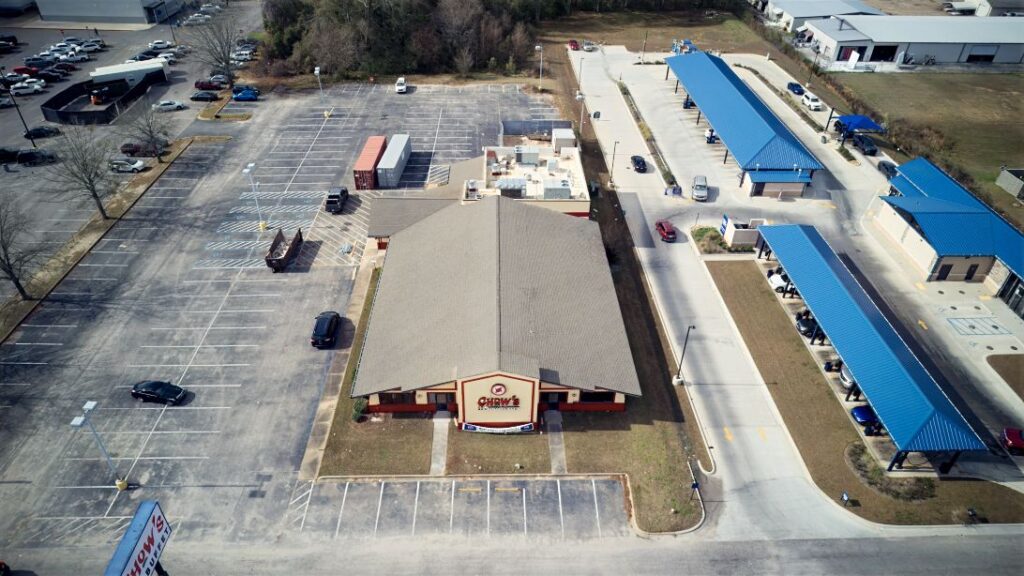
Following commercial roofing work at Chow’s Country Buffet in Dothan, Alabama, RCRS established an Annual Roof Care & Maintenance Service Agreement for the facility’s low-slope Duro-Last PVC roofing system.
The agreement was subsequently extended to additional restaurant locations across southeast Alabama, Georgia and Florida, providing a continuing relationship for scheduled inspections, preventative maintenance and priority service.
The project illustrates how a roofing relationship can extend beyond a single installation or repair to support ongoing roof management across multiple commercial properties.
View the Dothan restaurant and multi-location maintenance project →
Inspections, maintenance and emergency repairs all contribute to a larger decision: how to protect the property’s roofing assets while planning expenditure over the years ahead.
Commercial roof replacement is a significant capital expenditure, but the need for that expenditure does not always arrive at a convenient point in the property’s financial planning cycle.
A roofing system may remain serviceable for years with appropriate maintenance, while another roof of similar age may have significant moisture intrusion, deteriorated components or recurring failures that make continued repairs increasingly difficult to justify.
For property managers, the challenge is to understand those differences early enough to plan expenditure rather than repeatedly responding to unexpected failures.
RCRS helps commercial property owners and facility teams evaluate roofing conditions, identify developing problems and develop recommendations that can support maintenance budgets, restoration decisions and future replacement planning.
The objective is not simply to postpone roof replacement. It is to make informed decisions about when maintenance, repair, restoration or replacement provides the most appropriate long-term solution.
Depending on the property and the inspection scope, useful information may include:
Reliable roof condition information can help managers develop capital expenditure proposals, compare priorities across properties and communicate roofing needs to owners, boards, finance departments or other decision-makers.
Not every commercial roofing problem requires complete replacement. Equally, not every aging or damaged roof is a suitable candidate for continued patch repairs or restoration.
The appropriate approach depends on the roof assembly, condition of existing materials, moisture findings, remaining service life, manufacturer requirements, applicable building codes and the owner’s long-term objectives.
Four broad options may be considered when developing a commercial roofing strategy.
Address localized defects such as failed seams, damaged flashing, punctures or other isolated problems when the surrounding roofing system remains serviceable.
Explore roof repair →Use an appropriate restoration system, potentially including coatings, to improve and extend the performance of an existing roof when its condition and construction make restoration suitable.
Explore roof restoration →Install a compatible new roofing assembly over an existing roof where the substrate, moisture condition, structural capacity, code requirements and manufacturer specifications permit.
Explore roofing options →Remove and replace roofing components when deterioration, widespread moisture, repeated failures or other conditions make continued repairs or restoration impractical.
Explore roof replacement →A smaller repair may cost less initially than restoration or replacement, but that does not automatically make it the most economical choice over the remaining life of the building.
If a roofing system is otherwise sound, repairing a localized deficiency may be entirely appropriate.
However, where repairs are becoming frequent, moisture is affecting larger areas or the underlying roof assembly is deteriorating, continued patching may provide diminishing value.
Restoration may provide a useful alternative where the existing roof remains suitable, while replacement may be necessary when the condition of the roofing system no longer supports a reliable long-term repair strategy.
Property managers should consider not only the proposed cost of the work but also:
The lowest immediate repair cost and the lowest long-term ownership cost are not necessarily the same thing.
A roof condition assessment helps establish which options deserve serious consideration before the property owner commits to the work.
A smaller repair may cost less initially than restoration or replacement, but that does not automatically make it the most economical choice over the remaining life of the building.
If a roofing system is otherwise sound, repairing a localized deficiency may be entirely appropriate.
However, where repairs are becoming frequent, moisture is affecting larger areas or the underlying roof assembly is deteriorating, continued patching may provide diminishing value.
Restoration may provide a useful alternative where the existing roof remains suitable, while replacement may be necessary when the condition of the roofing system no longer supports a reliable long-term repair strategy.
Property managers should consider not only the proposed cost of the work but also:
The lowest immediate repair cost and the lowest long-term ownership cost are not necessarily the same thing.
A roof condition assessment helps establish which options deserve serious consideration before the property owner commits to the work.
Requests for major roofing expenditure are often reviewed by people who have not personally inspected the building.
Property owners, asset managers, finance directors, boards and procurement teams may need a clear explanation of the roof’s condition, the reasons work is recommended and the consequences of delaying it.
Depending on the project, useful supporting information may include:
Better documentation does not eliminate uncertainty, but it can help decision-makers understand why expenditure is needed and what the proposed work is intended to accomplish.
When a roofing expenditure is supported by documented conditions and a clearly explained scope, it becomes easier to evaluate as an asset-management decision rather than an unexpected repair request.
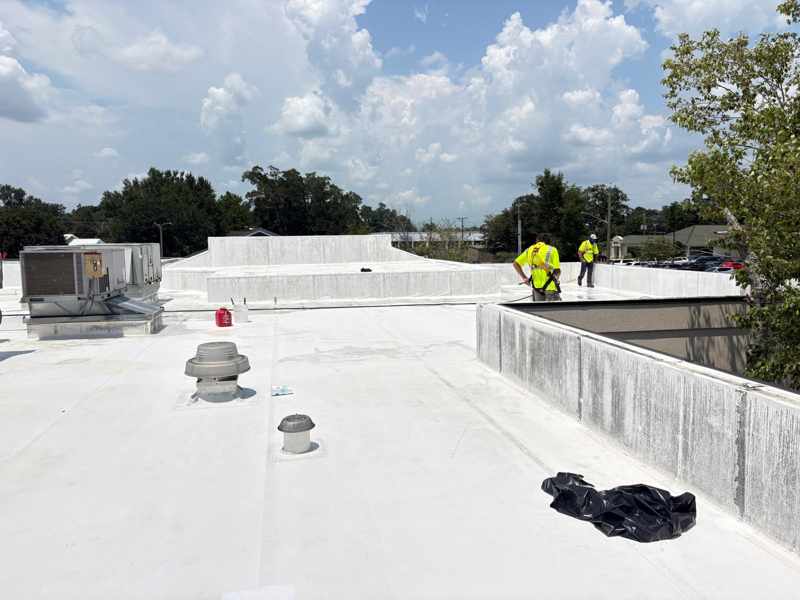
At Southern Cancer Center in Foley, Alabama, RCRS completed a comprehensive condition assessment and repair project on an approximately 6,038-square-foot TPO commercial roofing system.
The assessment combined visual inspection, infrared thermography, Tramex moisture investigation and photographic documentation to evaluate visible deficiencies and conditions requiring further investigation.
The original condition report assigned the roof an overall Grade D, representing an estimated 2–4 years of remaining service life under the grading methodology used at the time of inspection.
That estimate provided the property owner with a basis for addressing immediate roofing deficiencies while considering future replacement expenditure.
Rather than treating the roof’s condition as a simple choice between ignoring the deficiencies and immediately replacing the entire system, the inspection supported targeted authorized repairs alongside longer-term capital planning.
A documented roof condition assessment can help a property manager plan for eventual replacement while addressing the deficiencies that require attention today.
Remaining-service-life estimates are condition-based projections rather than guarantees and should be reassessed as the roof ages or conditions change.
View the Southern Cancer Center roof assessment and repair project →
PROJECT EVIDENCE
Approx. roof area (sq. ft.)
Original condition assessment
Remaining life estimated in original report
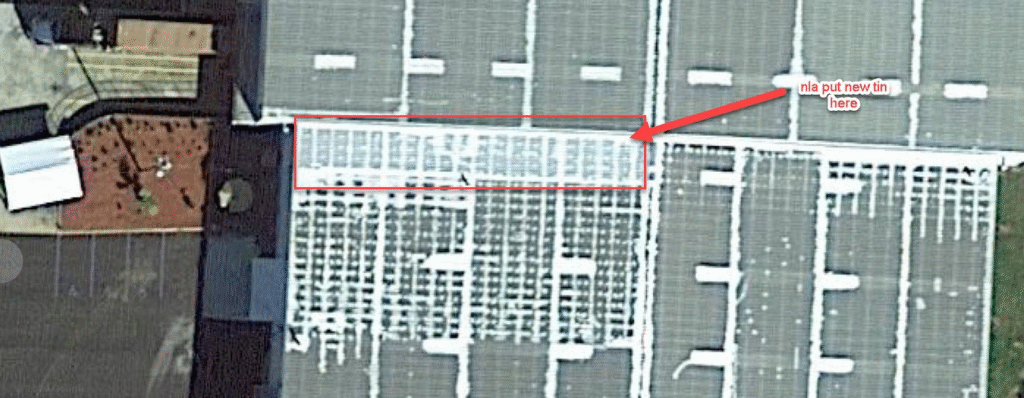
At the Next Level Apparel manufacturing facility in Ashford, Alabama, RCRS worked with the facility’s architect over several years to maintain and repair an aging PBR metal roofing system while a longer-term roofing solution was developed.
As continued patch repairs became less practical, the project progressed to a comprehensive roof restoration.
The completed work included replacement of compromised metal panels, improved fastening, rust treatment, substrate preparation and installation of a liquid-applied silicone roofing system backed by a 20-year labor-and-material warranty.
The project demonstrates how maintenance and temporary repairs can support a building during the planning period, while a properly selected restoration system may ultimately provide a longer-term alternative to complete roof replacement.
View the Ashford commercial metal roof restoration project →
The most appropriate roofing strategy depends on more than the age or appearance of the roof.
Roof condition, available budget, building operations, maintenance requirements, warranty considerations and future ownership plans can all influence whether a property should continue with repairs, pursue restoration or prepare for replacement.
RCRS helps commercial property owners and facility managers evaluate those considerations using documented roof conditions and practical roofing recommendations.
Good roof asset management connects today’s roof condition with tomorrow’s financial and operational decisions.

Not all commercial properties have the same roofing priorities.
A school district may be responsible for multiple campuses with roofing systems of different ages and construction. An apartment community must coordinate repairs around residents and everyday access. A healthcare facility may need to protect sensitive operations, while a manufacturer may be concerned about equipment, production schedules and the consequences of water intrusion.
Those differences influence how roof inspections, preventative maintenance, emergency repairs and replacement projects should be planned.
RCRS works with commercial property owners, facility managers and organizations across Alabama, Florida and Georgia, tailoring roofing recommendations to the condition of the roof and the operational requirements of the property.
Different buildings have different roofing priorities. Effective property management begins by understanding what each facility needs to protect.
School districts may manage multiple buildings with different roof systems, maintenance histories and capital priorities. Scheduled inspections, system-specific repairs and careful coordination around school activities are particularly important.
Apartment communities require roofing work that accounts for occupied buildings, resident access, parked vehicles, maintenance budgets and phased construction. Roof condition assessments can also support longer-term replacement planning.
Healthcare properties may have sensitive operations, equipment and occupancy requirements that make water intrusion or disruptive roofing work especially consequential. Condition reporting and careful work planning help inform appropriate decisions.
Retail and restaurant properties must balance roofing requirements with customer access, daily trading, rooftop equipment and site-specific maintenance needs. Multi-location operators also benefit from consistent inspections and service records.
Office buildings and mixed-use properties often contain multiple tenants, shared access areas and rooftop mechanical equipment. Preventative maintenance and documented repairs can help managers plan work around normal business activity.
Hotel and hospitality roofing plans should consider guest access, room occupancy, noise, service areas and the consequences of interior water intrusion. Inspection, maintenance and work scheduling should reflect the property's operating requirements.
Large industrial roofs may contain extensive metal or single-ply systems, complex equipment penetrations and aging structural components. Roofing decisions must consider operational continuity, moisture conditions, safe access and long-term expenditure.
Public buildings require responsible stewardship of roofing assets, documented conditions and clear justification for maintenance or capital work. Roof investigations can help establish priorities before replacement expenditure is authorized.
Self-storage properties may have numerous roof sections across separate buildings, creating a need for systematic inspections, drainage monitoring and consistent maintenance. Aerial documentation can be particularly useful when reviewing large sites.
Religious and community properties may combine large gathering spaces, classrooms, offices and other facilities. Maintenance planning can help protect those spaces while scheduling roof work around services, events and regular building use.
Automotive properties may combine showrooms, service bays, offices and large roof areas with differing equipment and access requirements. Planned roofing work should consider customer traffic, vehicle storage and continuity of operations.
Specialized properties can involve restricted access, strict coordination requirements and high consequences for operational disruption. Roofing work may require additional planning with facility personnel, general contractors and manufacturers.
The type of property influences more than the scheduling of the work. It can affect which roofing systems are present, how inspections are conducted, the consequences of a leak and the practical options available for repair or replacement.
When developing a roofing plan, RCRS considers factors such as:
For property managers responsible for several building types, documenting these differences can help establish more realistic maintenance priorities and capital plans.
The goal is a consistent standard of roofing care, adapted to the actual requirements of each property.
RCRS’s work for Pike County School Systems demonstrates why institutional roofing programs must account for differences between individual facilities.
At Goshen Elementary School, scheduled maintenance of a TPO roof resulted in 37 deficiencies being identified and corrected during a single service visit.
At Banks Primary School, the team addressed active leaks on an older coal tar pitch and gravel roofing system using preparation and repair techniques suited to that construction.
Both projects formed part of an ongoing annual service agreement, but the condition of each roof required a different technical response.

Commercial roofing work rarely takes place in isolation from the activities happening inside and around a building.
Apartment residents may need access to their homes. Retail customers may be using entrances and parking areas. Manufacturing equipment may be operating beneath the roof, while medical facilities and schools have their own occupancy and scheduling requirements.
For property managers, a successful roofing project must account for those operational realities alongside the technical roofing work.
RCRS incorporates property-specific access, safety and coordination requirements into commercial roofing project planning, with the scope of those arrangements depending on the building and work being performed.
Important considerations may include:
The required controls depend on the project, site conditions and applicable safety requirements. Some roofing operations may also require coordination with building engineers, maintenance personnel or other contractors.
For an occupied commercial property, roofing project planning must consider the people and operations beneath the roof—not just the work happening above it.
Learn more about RCRS commercial roofing safety and jobsite planning →
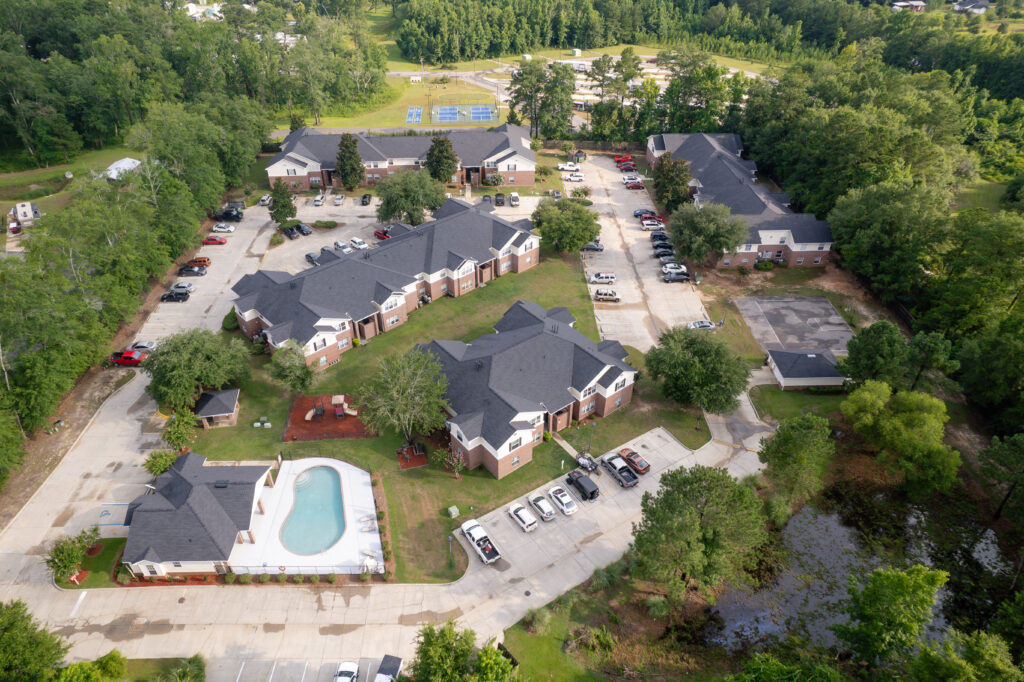
At Alabaster Bay Apartments in Dothan, Alabama, RCRS completed a multi-building asphalt-shingle roof replacement while the apartment community remained occupied.
Work progressed building by building, with site supervision, safety coordination, cleanup activities and consideration for residents, parked vehicles and normal property access.
The project demonstrates why roofing work at residential communities requires more than an installation schedule. Material movement, work areas, access and daily site conditions must also be considered.
A property manager may be responsible for roofing decisions without being physically present during every inspection, repair or construction project.
Clear communication and appropriate documentation can therefore be as important as the work itself.
Owners, regional managers, facility personnel and financial decision-makers may need to understand what was inspected, which problems were identified, what work was completed and what remains outstanding.
RCRS uses roof inspections, project photography, condition findings and service documentation to help communicate roofing conditions and recommendations to the people responsible for the property.
Depending on the service being performed and the agreed scope of reporting, useful documentation may include:
A routine maintenance visit may require relatively straightforward service documentation. A moisture investigation or major roof replacement proposal may warrant more extensive photography, technical findings and project-specific records.
Useful roofing documentation should help a property manager answer three questions: What did we find? What did we do? What needs to happen next?
Explore RCRS roof inspection, infrared investigation and condition documentation →
Establish the inspection or service objective, record relevant roof conditions and identify deficiencies requiring attention.
Communicate the findings, distinguish urgent problems from planned work and develop appropriate recommendations.
Document completed work as appropriate and retain useful records to support future inspections, maintenance and capital decisions.
Every commercial roofing relationship begins with understanding the property, its roofing systems and the problems or objectives that need to be addressed.
Some property managers approach RCRS because of an active leak or recurring roofing problem. Others want to establish a preventative maintenance program, investigate roof conditions before a purchase or develop a longer-term capital plan for several buildings.
Whether the requirement involves one facility or multiple locations, the starting point is to establish the scope of the roofing concerns and determine what information is needed.
You do not need a complete roof asset register to begin a conversation. However, the following details can be useful when available:
Where records are incomplete, an initial inspection may help establish a condition baseline and identify the next appropriate steps.
Once the property’s requirements are understood, RCRS can discuss the appropriate inspection, maintenance, repair or project-evaluation services.
The recommended approach may involve an individual roof inspection, an ongoing RTM maintenance agreement, further moisture investigation, targeted repairs or development of a larger roofing project.
For multi-property portfolios, the initial discussion can also consider which locations require attention first and how additional properties may be evaluated over time.
You do not need every roofing answer before contacting RCRS. The first step is establishing which questions need to be answered.
Asked Question
Here, you can find answers to some of the most common questions we receive about our restoration commercial roofing services. If you have a question that is not answered here, please feel free to contact us.
Yes. RCRS has experience supporting commercial owners with multiple properties, including ongoing maintenance relationships involving locations in Alabama, Florida and Georgia. The appropriate scope, scheduling and service arrangements depend on the properties involved and their locations.
Inspection frequency depends on the roofing system, manufacturer requirements, warranty conditions, roof age, previous problems and exposure to severe weather. Many commercial roof maintenance programs use regularly scheduled inspections, with additional evaluations following significant storms, reported leaks or other unusual events. The inspection schedule should be appropriate for the individual property.
Preventative maintenance can help preserve roof performance by identifying and addressing minor deficiencies before they develop into larger problems. Cleaning drainage areas, inspecting flashings and seams, and completing appropriate repairs can reduce avoidable deterioration. Maintenance cannot eliminate normal aging or guarantee a particular roof lifespan.
The decision depends on roof construction, overall condition, moisture findings, repair history, warranty requirements and the expected performance of the proposed solution. A condition assessment can help determine whether localized repairs remain practical, restoration is suitable or replacement should enter the capital plan.
Yes. Commercial roof inspections, condition documentation, moisture investigation and repair or replacement recommendations can provide information useful for capital planning. The level of investigation and reporting depends on the property and agreed project scope. Remaining-service-life estimates are projections based on available information, not guarantees.
No. A visual inspection may be sufficient for some maintenance or repair decisions. Infrared thermography, electronic moisture detection and physical verification can provide additional information when the roofing system and investigation objectives make those methods appropriate. Thermal anomalies alone do not establish the presence or extent of wet insulation.
Protect people and affected interior areas first, avoid unsafe roof access and report the problem promptly. Record the location and visible effects of the leak where it is safe to do so. RCRS accepts emergency roofing calls 24/7 and can discuss the next appropriate steps. On-site response and repair work depend on location, conditions, safe access and availability.
Many commercial roofing projects are performed at occupied properties. The arrangements depend on the roofing work, building operations, access requirements, safety hazards and site conditions. Planning may involve coordination of work areas, deliveries, occupant access, parking, noise and daily housekeeping. Some activities may require temporary restrictions or additional operational arrangements.
Whether you manage one commercial building or multiple properties, RCRS can help you evaluate roofing conditions, address maintenance needs and plan future repairs, restoration or replacement.
Based in Enterprise, Alabama. Serving commercial properties across Alabama, Florida and Georgia, with additional markets considered by arrangement.
Testimonials

I contacted this company about emergency maintenace issues located at one of my Zaxby's restaurant locations. I received a quick response from this company and great work.
I was very satisfied with the work they did. The process was fast and efficient. I would definitely recommend them!
Very satisfied! everything was done in a timely manner and very professional! Highly recommend! I have recommended them to several people!! Excellent company!!
We were very satisfied, crew was very respectful. Would use them again for sure! And definitely refer them to others!! we were very happy!!!
Very Satisfied, the work and crew were very fast, friendly and efficient